
The gap nobody measures
A missed call is easy to notice. A booked estimate is easy to count. What happens between the two is where most home-service businesses lose ground—and it's the part almost nobody measures. Academic research from lead response studies demonstrates that calling back a missed prospect within 5 minutes results in a 100x higher chance of reaching them compared to waiting 30 minutes.
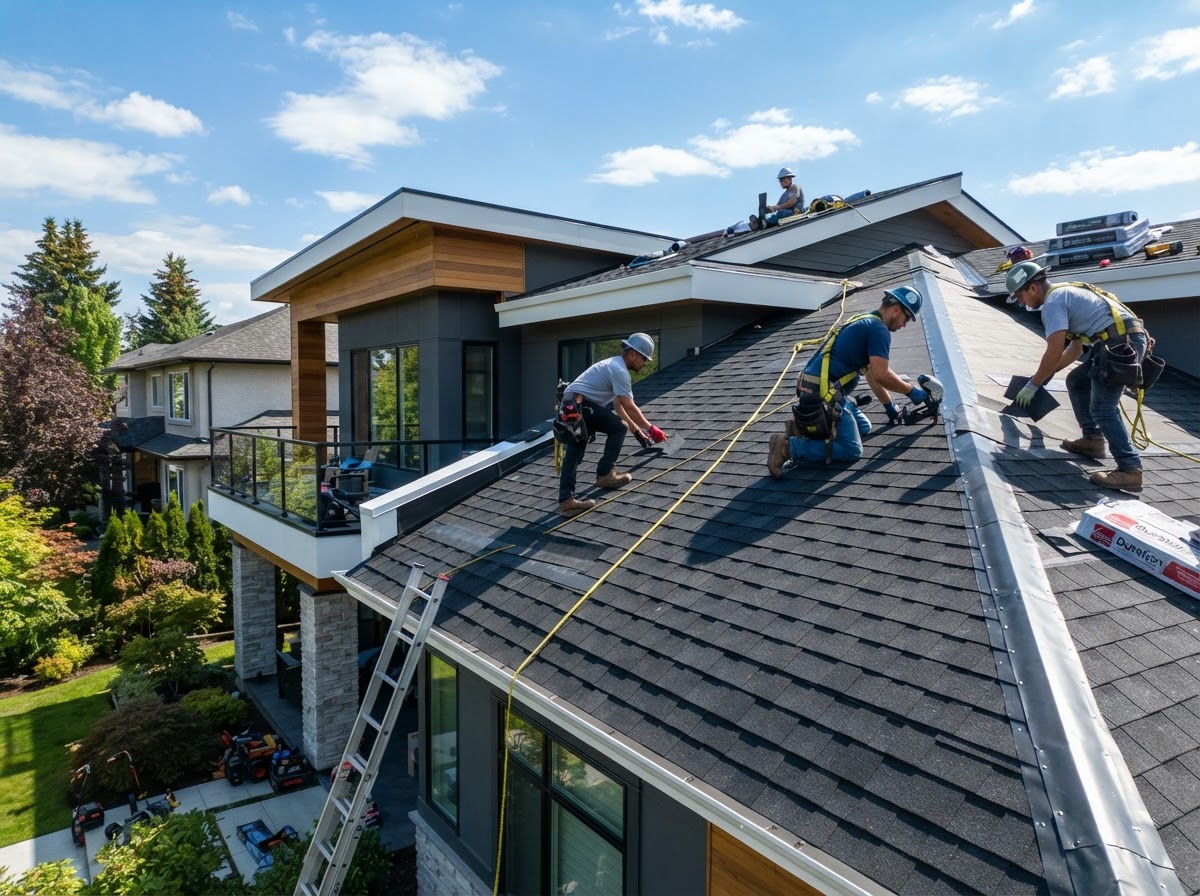
Source: Lead Response Management Study (MIT/InsideSales.com). Fast callbacks convert missed calls into booked jobs.
Note: Ladd Growth is currently selecting three Tulsa roofing companies for a founding case study with no service fee. See if you qualify.
Step 1: The call is missed
A homeowner calls during a job or after hours. The call goes to voicemail. This is normal and not, by itself, a problem. The question is what happens next.
- Does anyone know the call happened?
- Is there a record of it, or does it disappear with the missed-call notification?
- How many missed calls per week do you actually have?
Step 2: Nothing prompts a callback
If a missed call doesn't trigger anything—a notification, a text-back to the homeowner, a callback prompt—then the callback depends on someone remembering to check the phone. That's fragile. Homeowners who don't get a quick callback often call the next contractor on their list.
Step 3: The callback is slow
Response speed matters because homeowners often contact several contractors at once. The first one to respond meaningfully usually wins the estimate.
Step 4: The estimate isn't booked
The conversation happens, the homeowner is interested, and then the estimate is never put on a calendar. It lives in someone's memory. A few days pass, the homeowner cools off, and the estimate never happens.
Step 5: No reminder, no show
An estimate scheduled days in advance depends on the homeowner remembering. If no reminder goes out, no-shows increase. A simple reminder—text or email, a day or two before—reduces this significantly.
Step 6: No follow-up after
The estimate happens. Then nothing. No check-in, no second touch, no "did you have any questions." The homeowner hires the contractor who stayed in front of them.
What to actually inspect
The most useful thing to do is walk through the whole chain at your own business and find the first place where inquiries consistently drop off. Fix that one first. Then look at the next.